
Blog
Hair Washing After Transplant: When and How to Start

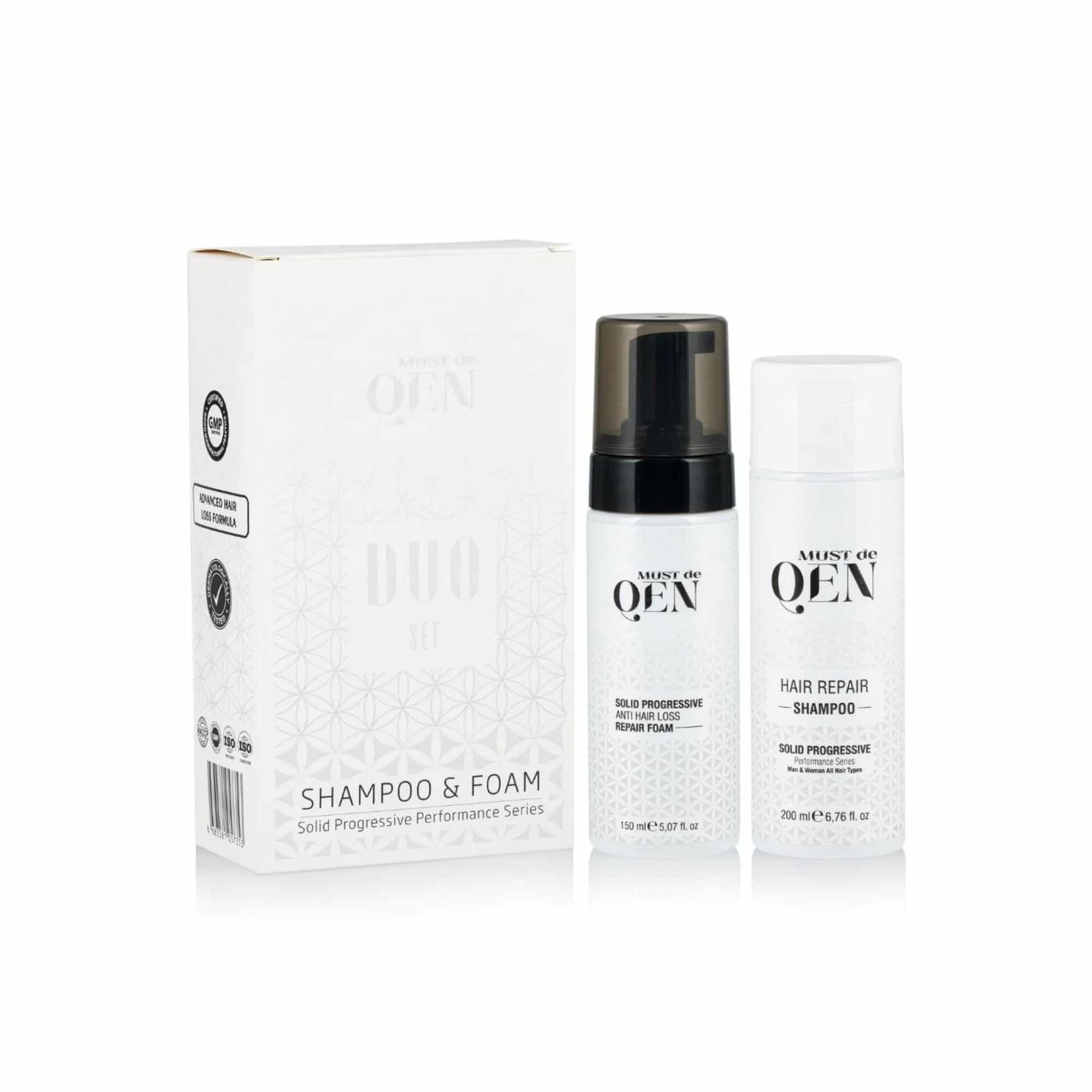
The first hair wash after a transplant is the moment most patients dread the most. You have hundreds or thousands of freshly placed grafts on your scalp, and the idea of getting them wet and applying shampoo can feel terrifying. The good news is that washing is not only safe when done correctly — it is essential for proper healing. Leaving crusts and dried blood on the scalp too long can actually suffocate grafts and increase infection risk. This guide explains exactly when to start, what products to use, and how to perform each wash without endangering your results.
When to Start Washing After a Hair Transplant
Most clinics instruct patients to begin their first wash between day three and day five post-surgery. The exact timing depends on your surgeon’s protocol, the transplant technique used (FUE vs. DHI), and how quickly your scalp forms crusts. Never start washing earlier than your surgeon recommends, even if you feel fine. The first 72 hours are when the grafts are most loosely anchored in their recipient channels.
If your clinic gave you a specific day to begin, follow that instruction. If they said “three to five days” without specifying, day four is a safe middle ground for most patients. By day four, the grafts have established enough initial anchoring to tolerate gentle contact with water and foam.
What You Need for the First Wash
Gather everything before you step into the shower. You want the process to be smooth and calm, without fumbling for supplies mid-wash.
- A post-transplant foam shampoo — Foam is the preferred format because it requires no rubbing. The The Mossi London Moisturizing Washing Foam and the Regrow Hair Foam Shampoo are both designed for this exact purpose.
- A cup or jug — For pouring water gently over the scalp instead of using direct shower pressure.
- A soft towel — For patting (never rubbing) the scalp dry afterward.
- A mirror — Helpful for seeing the recipient area, especially if it is at the crown.
Step-by-Step Washing Technique
Step 1: Wet the Scalp with Lukewarm Water
Water temperature matters more than you might think. Hot water increases blood flow and swelling, which can loosen grafts. Cold water causes the skin to tighten and can be uncomfortable on a sensitive scalp. Aim for lukewarm — roughly body temperature or slightly below. Use a cup to pour water gently over the transplanted area. Avoid pointing the showerhead directly at the grafts for the first two weeks. The water pressure from a standard shower can be enough to dislodge a loosely anchored graft in the early days.
Step 2: Apply Foam Shampoo
Dispense a generous amount of foam into your palm — about the size of a tennis ball. Do not squirt the foam directly onto the scalp. Instead, place it gently onto the transplanted area with your palm facing down. Let the foam sit on the scalp for one to two minutes. The surfactants in the foam will begin dissolving the dried blood and crusts without any mechanical action from your fingers.
Step 3: Gently Pat (Do Not Rub)
After the foam has sat for a minute, use the pads of your fingers (not your nails) to lightly pat the scalp in the transplanted area. Think of the pressure you would use to press a stamp on an ink pad — barely any force at all. The goal is to help the foam work through the crusts, not to scrub. On the donor area at the back of the head, you can be slightly more firm since there are no transplanted grafts there.
Step 4: Rinse Thoroughly
Use the cup again to pour lukewarm water over the scalp until all the foam is washed away. Residual shampoo left on the scalp can cause irritation and itching. Take your time with this step. Two or three passes with the cup are usually enough.
Step 5: Dry by Patting
Press a clean, soft towel gently against the scalp. Do not rub back and forth. Pat the area lightly and let the remaining moisture air dry. Do not use a hair dryer on the hot setting during the first month. If you must use a dryer, keep it on the cool setting and hold it at least 30 centimeters away from the scalp.
Daily Washing Schedule: Weeks 1 Through 4
Days 3-7: Wash once daily using the gentle foam technique described above. The primary goal is to soften and gradually remove crusts. Do not force any crusts off — if they do not come loose with gentle patting, they are not ready.
Days 8-14: Continue daily washing. By now you can begin very light circular motions with your fingertips on the recipient area. Crusts should be almost entirely gone by the end of the second week. If persistent crusts remain, you can soak a cotton pad in lukewarm water and hold it against the area for a few minutes before washing to soften them.
Weeks 3-4: You can transition from a foam shampoo to a regular (but still gentle, sulfate-free) liquid shampoo. The The Mossi London Biotin DHT Blocker Shampoo is a strong choice for this stage, as it cleans effectively while delivering biotin and DHT-blocking actives. Normal shower pressure is usually acceptable by week three, but continue using lukewarm water.
Common Mistakes to Avoid
- Using hot water: Increases swelling and can compromise graft anchoring.
- Rubbing with a towel: Even gentle rubbing creates friction that can displace grafts in the first two weeks.
- Picking crusts with fingernails: Forces grafts out along with the crust. Let the foam do the work.
- Skipping washes: Accumulated crusts trap bacteria and can lead to folliculitis.
- Using regular shampoo too early: Sulfates and fragrances cause unnecessary irritation. Stick with products from the post-transplant shampoo range for at least two weeks.
Transitioning to Your Long-Term Routine
After the first month, your washing routine becomes much more normal. You can shampoo every day or every other day depending on your hair type and preference. This is a good time to layer in additional products like a scalp serum and hair vitamins. A treatment kit that includes shampoo, serum, and supplements together simplifies the transition. For example, the The Mossi London 1-Month Hair Care Set or the Bethantax Power Post Hair Transplant Healing Kit provide coordinated products that work together through the early growth phase.
Remember, your transplanted follicles are permanent. But the care you give them during the first month of washing sets the foundation for how healthy and strong those new hairs grow in.
Frequently Asked Questions
Can I wash my hair on day 2 after a hair transplant?
It is generally not recommended. Most surgeons advise waiting until at least day 3, and many prefer day 4 or 5. The grafts need time to anchor securely in the recipient channels. Washing too early significantly increases the risk of graft displacement. Always follow your surgeon’s specific instructions.
What water temperature should I use to wash my hair after a transplant?
Use lukewarm water, approximately body temperature or slightly cooler. Hot water increases scalp swelling and blood flow, which can loosen freshly placed grafts. Cold water is uncomfortable on sensitive post-surgical skin. Lukewarm is the safest option throughout the entire first month of recovery.
