
Blog
Why Turkey Is the Hair Transplant Capital of the World

How Turkey Became the Global Leader in Hair Transplantation
Every year, more than half a million people travel to Turkey for a single purpose: to restore their hair. That figure is not a marketing claim — it is a documented reality supported by the Turkish Healthcare Travel Council and the International Society of Hair Restoration Surgery. Turkey now performs more hair transplant procedures than the United States, the United Kingdom, and the European Union combined, and Istanbul alone accounts for the vast majority of those operations.
But why Turkey? What transformed a country better known for its kebabs and coastlines into the undisputed global capital of hair restoration? The answer lies in a combination of surgical expertise, aggressive pricing, medical infrastructure, and a thriving ecosystem of aftercare products that emerged directly from clinical demand.
The Numbers Behind Turkey Hair Transplant Tourism
Hair transplant tourism contributes an estimated $1.5 billion annually to the Turkish economy. Istanbul is home to more than 350 licensed clinics, with a concentration of specialized surgeons that no other city on the planet can match. The Turkish Health Ministry introduced regulations in 2023 requiring all hair transplant clinics to operate under certified medical facilities, which pushed standards higher across the board.
For context, a standard FUE (Follicular Unit Extraction) procedure in the United States costs between $10,000 and $20,000. In the United Kingdom, patients can expect to pay $8,000 to $15,000. In Germany, the range is $5,000 to $12,000. In Turkey, the same procedure — performed by surgeons who do ten or more transplants per week — typically costs between $1,500 and $4,000. That price difference is not because of inferior care. It is driven by lower operating costs, a favorable exchange rate, and the sheer volume of procedures that Turkish clinics handle daily.
FUE and DHI: Techniques Refined in Istanbul
Turkish clinics did not just adopt FUE and DHI (Direct Hair Implantation) techniques — they refined them. The volume of procedures performed in Istanbul means that surgeons accumulate experience at a pace that would take decades to match elsewhere. Many of the technical innovations in micro-motor extraction, sapphire blade incisions, and high-density implantation were developed or perfected in Turkish operating rooms.
FUE involves extracting individual hair follicles from the donor area and implanting them into thinning regions. DHI uses a specialized Choi pen to implant follicles directly without pre-made incisions. Both techniques leave minimal scarring and allow for natural-looking hairlines. Turkish clinics routinely implant 4,000 to 5,000 grafts in a single session, a density that many Western clinics would split into two operations.
Medical Tourism Infrastructure: More Than Just Surgery
Turkey did not become the hair transplant capital by accident. The country invested deliberately in medical tourism infrastructure. Istanbul has two international airports handling over 100 million passengers per year. Most clinics offer all-inclusive packages that cover airport transfers, hotel accommodation, the procedure itself, medications, and follow-up consultations. For many patients, the total cost of flying to Istanbul, having the surgery, staying for three nights, and flying home is still less than the surgery alone would cost in their home country.
Turkish hospitals have earned more JCI (Joint Commission International) accreditations than any other country outside the United States. This is not limited to hair clinics — it reflects a national healthcare system that has prioritized quality certification and international standards.
The Aftercare Revolution: Products Born from Clinical Demand
Here is the part of the story that most articles overlook. When you perform half a million hair transplants a year, you generate enormous demand for specialized aftercare products. Surgeons and dermatologists in Istanbul recognized early on that the recovery phase was just as critical as the surgery itself. Generic shampoos and off-the-shelf moisturizers were not designed for freshly transplanted scalps. Patients needed products that could reduce inflammation, accelerate healing, and protect fragile new grafts.
This clinical need gave rise to a new generation of Turkish beauty brands. The Mossi London was developed by one of Istanbul’s most prominent transplant clinics to provide patients with a complete post-operative care system. Their 1 Month Hair Care Set became a standard recommendation among surgeons because it addressed every stage of recovery in a single package.
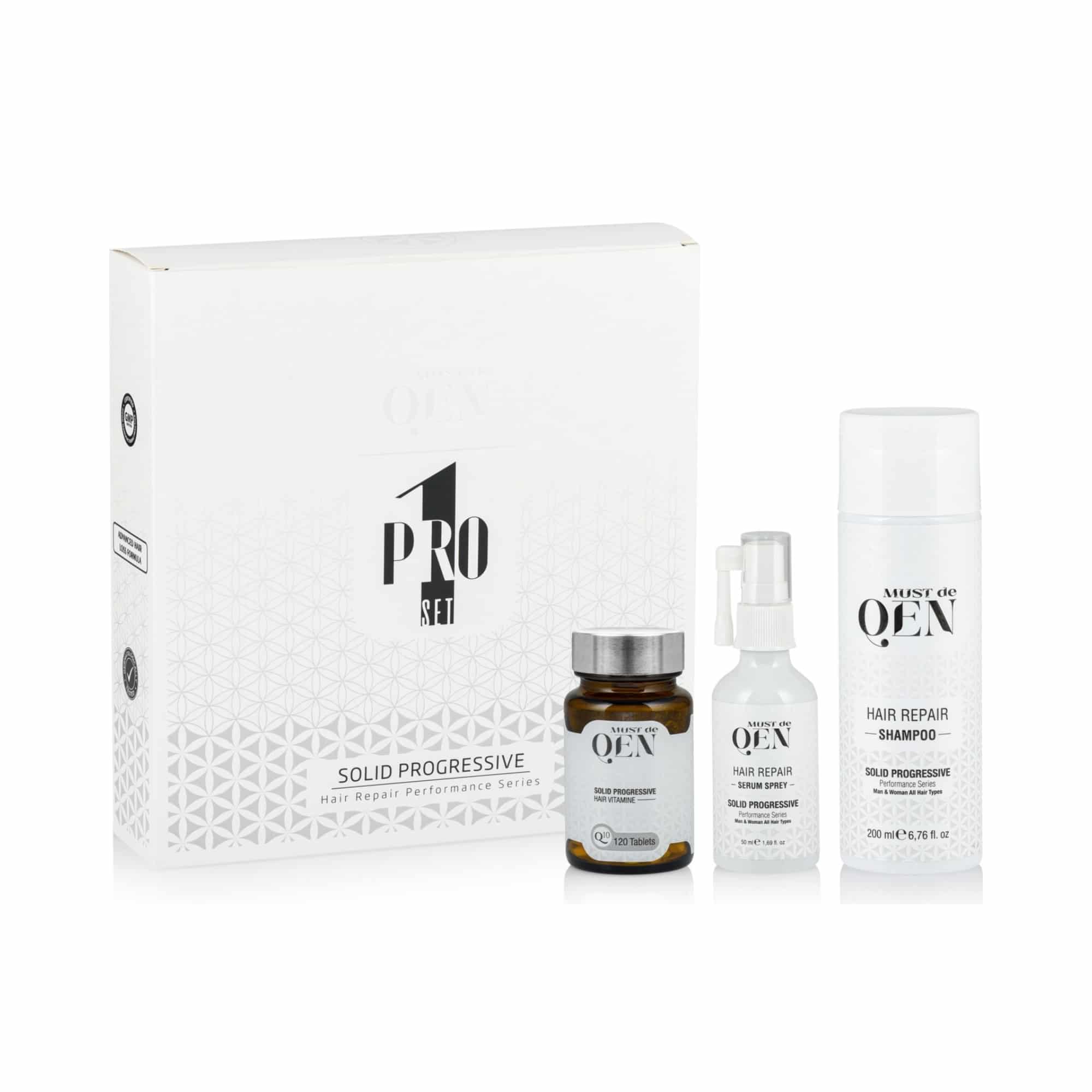
Bethantax Power emerged from a similar background, creating its Post Hair Transplant Healing Kit specifically for the first 30 days after surgery. Must De Qen focused on mesotherapy and scalp therapy solutions, including their popular Mesotherapy Hair Serum Set that brings clinical-grade treatment into the home environment.
Ozonized Oil: A Turkish Clinical Staple
One ingredient that ties many of these brands together is ozonized olive oil. Turkish clinics have used ozone therapy for wound healing for decades, and ozonized oil became a cornerstone of post-transplant scalp care. Products like The Mossi London Ozonized Oil Complex, Bethantax Power Ozonized Olive Oil, and Must De Qen Ozonized Oil for Donor Areas all trace their formulation back to protocols developed inside Istanbul transplant clinics.
Turkey Hair Transplant Cost: What You Actually Pay
Beyond the procedure cost, patients should understand what drives the value proposition. Turkish clinics benefit from lower real estate costs, lower labor costs for support staff, and a currency (the Turkish lira) that makes procedures affordable for patients paying in euros, pounds, or dollars. Surgeons in Turkey are highly trained — many studied in Europe or the United States — but their operating costs are a fraction of what a comparable practice would spend in London or New York.
The competitive density of clinics in Istanbul also plays a role. With hundreds of clinics vying for international patients, pricing remains aggressive and service quality becomes a genuine differentiator. Clinics that deliver poor results simply do not survive in a market this competitive.
Beyond Transplants: A Beauty Industry Built on Expertise
The hair transplant boom had a ripple effect across the entire Turkish beauty industry. Brands like Regrow Hair and Seo Care developed product lines that serve not just transplant patients but anyone dealing with hair thinning, scalp conditions, or general hair health. The knowledge base that Turkish dermatologists and trichologists accumulated through transplant aftercare now informs a broader range of beauty products available to consumers worldwide.
Turkey’s position as the hair transplant capital of the world is not just about surgery. It is about an entire ecosystem — from operating rooms to laboratories to product development teams — that has been shaped by scale, competition, and an unwavering focus on results. The products that emerged from this ecosystem are now available globally, bringing Istanbul’s clinical expertise to your bathroom shelf.
Why is Turkey so cheap for hair transplants compared to the US and UK?
Turkey offers lower operating costs, favorable currency exchange rates, and an extremely competitive market with hundreds of clinics. Surgeons are highly trained but benefit from lower overhead expenses, allowing them to offer procedures at $1,500–$4,000 compared to $10,000–$20,000 in the US and $8,000–$15,000 in the UK without compromising on quality.
What is the difference between FUE and DHI hair transplant techniques?
FUE (Follicular Unit Extraction) involves extracting individual follicles and implanting them into pre-made incisions. DHI (Direct Hair Implantation) uses a Choi pen to implant follicles directly without pre-made channels, allowing for higher density and more precise angle control. Both techniques are widely performed in Istanbul clinics and leave minimal scarring.
What aftercare products do Turkish hair transplant clinics recommend?
Most Istanbul clinics recommend specialized post-transplant kits that include gentle shampoos, ozonized oils for scalp healing, biotin serums, and anti-inflammatory lotions. Popular clinic-developed brands include The Mossi London, Bethantax Power, and Must De Qen, all of which were formulated specifically for post-operative hair transplant recovery.
