
Blog
Mesotherapy After Hair Transplant: Benefits and How to Do It at Home

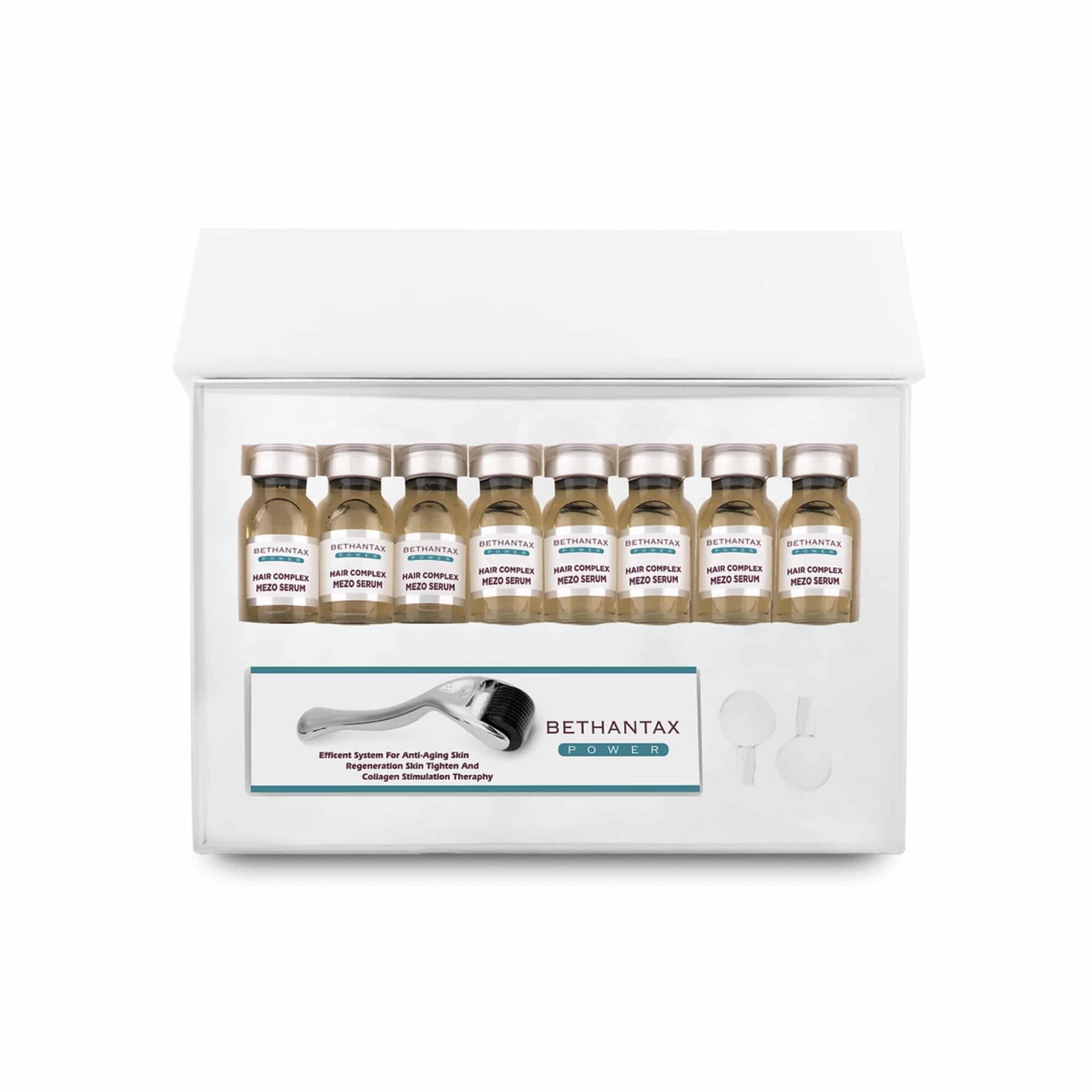
Mesotherapy has become one of the most popular complementary treatments for hair transplant patients. Originally developed in France in the 1950s for pain management, mesotherapy has evolved into a widely used technique for delivering vitamins, minerals, and growth factors directly into the scalp. After a hair transplant, mesotherapy can accelerate healing, reduce shock loss, and stimulate stronger growth from both transplanted and native follicles. The best part is that modern at-home mesotherapy kits make it possible to perform this treatment yourself without repeated clinic visits.
What Is Mesotherapy for Hair?
Mesotherapy for hair involves introducing a cocktail of active ingredients into the mesoderm — the middle layer of the skin where hair follicles reside. In a clinical setting, a practitioner uses a mesotherapy gun or fine needle to inject a solution containing vitamins (biotin, B-complex), amino acids, peptides, hyaluronic acid, and sometimes minoxidil or finasteride directly into the scalp at a depth of 1 to 4 millimeters.
At home, mesotherapy is performed using a derma roller combined with a topical serum. The derma roller creates thousands of micro-channels in the scalp, and the serum applied immediately afterward penetrates far deeper than it would on intact skin. While at-home mesotherapy does not reach the same depth as clinical injections, research has shown that microneedling at 0.5 to 1.0 millimeters significantly improves topical product absorption and stimulates the body’s own wound-healing response, which includes the production of collagen and growth factors.
Benefits of Mesotherapy After a Hair Transplant
Adding mesotherapy to your post-transplant routine offers several documented benefits:
Improved Graft Survival and Growth
The active ingredients in mesotherapy serums nourish follicles that are recovering from the trauma of extraction and reimplantation. By delivering nutrients directly to the follicular level, mesotherapy can shorten the dormant phase that follows shock loss and encourage earlier re-entry into the anagen (growth) cycle. Some clinical studies have shown that patients who receive mesotherapy alongside their transplant achieve visible growth one to two months earlier than those who rely on standard aftercare alone.
Reduced Shock Loss Severity
Because mesotherapy supports follicle nutrition and reduces inflammation, it may lessen the amount of shedding that occurs during the shock loss phase. While it cannot eliminate shock loss entirely, the combination of microneedling and growth serums helps create a more favorable scalp environment during the critical first three months.
Stronger Native Hair
Mesotherapy does not only benefit transplanted hair. The micro-channels created by derma rolling improve the health of your existing native follicles as well. Patients often report that their non-transplanted hair becomes thicker and more resilient after several weeks of at-home mesotherapy, making the overall result look more dense and natural.
Better Scalp Circulation
The controlled micro-injuries from a derma roller trigger a natural healing response that includes increased blood flow to the treated area. Better circulation means more oxygen and nutrients reaching the follicles, which supports overall hair health and growth speed.
Clinical Mesotherapy vs. At-Home Mesotherapy
Both approaches have their place, and many patients combine them for the best results.
Clinical mesotherapy involves injections performed by a trained practitioner, typically using a meso-gun. Sessions are usually done weekly or bi-weekly for 8 to 12 weeks, and then monthly for maintenance. The advantage is deeper penetration and the ability to use pharmaceutical-grade ingredients. The downside is cost — each session can be expensive, and you need to travel to a clinic repeatedly.
At-home mesotherapy uses a derma roller with 0.5mm to 1.0mm needles combined with a topical serum. It is far more affordable, convenient, and can be done on your own schedule. The trade-off is shallower penetration, but studies consistently show that microneedling at 0.5mm is effective for enhancing topical absorption and stimulating growth factors. For most post-transplant patients, at-home mesotherapy provides an excellent balance of results, convenience, and cost.
How to Perform At-Home Mesotherapy: Step by Step
What You Need
- A scalp derma roller with 0.5mm to 0.55mm needles. The The Mossi London Derma Roller (540 Needles, 0.50mm) and the Must De Qen Scalp Derma Roller (0.55mm Titanium) are both designed specifically for scalp use with titanium-grade needles that stay sharp longer.
- A mesotherapy serum formulated for scalp application. The Must De Qen Mesotherapy Hair Serum Set is specifically designed for at-home use and contains a multi-vial system with concentrated growth factors and peptides.
- Rubbing alcohol or sanitizer to clean the derma roller before and after each session.
Step 1: Clean and Prepare
Wash your hair with a gentle shampoo and let the scalp dry completely. Disinfect the derma roller by soaking it in rubbing alcohol for five minutes, then let it air dry. A clean scalp and clean roller minimize the risk of introducing bacteria into the micro-channels.
Step 2: Roll the Derma Roller
Divide the treatment area into sections. For each section, roll the derma roller in four directions: vertical, horizontal, and both diagonals. Use moderate pressure — enough to feel the needles engaging the skin, but not so hard that it causes bleeding. A slight pinkness and tingling sensation is normal and indicates that the micro-channels are forming. Make approximately 4 to 8 passes in each direction per section.
Step 3: Apply the Mesotherapy Serum
Immediately after rolling, apply the mesotherapy serum to the treated area. The micro-channels are open and at peak absorption for about 10 to 15 minutes after rolling. Gently massage the serum into the scalp with your fingertips. Do not wash your hair for at least four hours after the session to allow full absorption.
Step 4: Clean the Roller
Soak the derma roller in rubbing alcohol again for five minutes after use, rinse with clean water, and store it in its protective case. Replace your derma roller every 8 to 12 weeks, as the needles dull with repeated use.
Timing: When to Start After a Transplant
Important: Do not use a derma roller on transplanted areas until your surgeon explicitly clears you. This is typically no earlier than six weeks post-surgery, and some surgeons prefer to wait three months. The transplanted grafts need time to fully anchor and establish blood supply before being subjected to microneedling. Using a roller too soon risks damaging or dislodging grafts.
Once cleared, a typical at-home mesotherapy schedule is one to two sessions per week. Many patients follow this regimen for six months to a year after their transplant. The Must De Qen 6-Month Mesotherapy Hair Program provides a complete supply of serums and tools for a full treatment course, taking the guesswork out of planning. For a shorter trial, the Must De Qen 1-Month Starter Kit includes a derma roller and one month of serums. Explore all mesotherapy-compatible products in the Must De Qen brand collection.
What Results Can You Expect?
Most patients who add at-home mesotherapy to their post-transplant routine report visible improvements within four to eight weeks of starting. The most commonly noted benefits include faster emergence of new growth during the 4 to 6 month window, thicker individual hair shafts, improved scalp texture and reduced dryness, and a general perception of fuller coverage compared to patients who rely on shampoo and serum alone.
Mesotherapy works best as part of a comprehensive care routine that includes proper washing, a quality shampoo, vitamins, and serums. Browse the full range of tools and accessories and treatment kits at Oriento to build a complete recovery program tailored to your needs.
Frequently Asked Questions
Is at-home mesotherapy as effective as clinical mesotherapy?
At-home mesotherapy with a derma roller does not penetrate as deeply as clinical injections, but clinical studies show that microneedling at 0.5mm significantly improves topical serum absorption and stimulates growth factors. For most post-transplant patients, at-home sessions provide meaningful benefits at a fraction of the cost and are easier to maintain over the long term.
Does derma rolling on the scalp hurt?
Most people describe the sensation as mild tingling or light prickling. A 0.5mm roller used with moderate pressure should not cause pain. If you experience significant discomfort, you may be pressing too hard. The scalp may appear slightly pink for 30 to 60 minutes after a session, which is normal.
How often should I replace my derma roller?
Replace your derma roller every 8 to 12 weeks with regular use (1-2 times per week). Dull needles cause more tearing than clean puncturing, which reduces effectiveness and can irritate the scalp. Titanium needles tend to stay sharper longer than stainless steel alternatives.
