
Blog
Vitamin C Serum: How to Choose and Use It Right

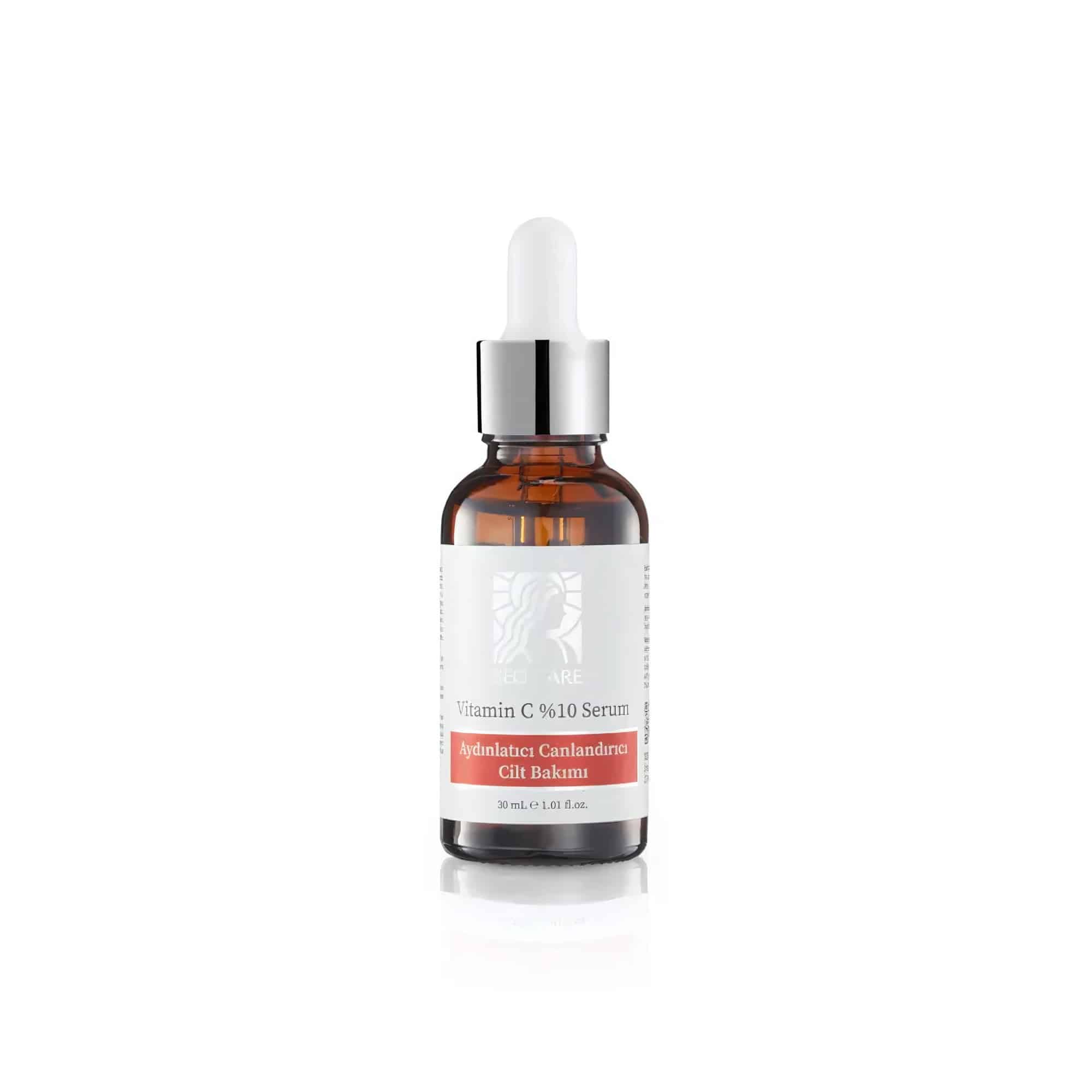
Vitamin C is one of the most researched and proven active ingredients in skincare. It brightens dull complexions, fades dark spots, protects against environmental damage, and supports collagen production. Yet many people struggle to get results because they choose the wrong form, apply it incorrectly, or store it improperly. This guide covers everything you need to know to make vitamin C work for your skin.
Why Vitamin C Deserves a Place in Your Routine
Vitamin C, also known as ascorbic acid, is a potent antioxidant. In skincare terms, this means it neutralizes free radicals generated by UV exposure, pollution, and blue light from screens. Left unchecked, free radicals accelerate aging by breaking down collagen and triggering inflammation. Vitamin C intercepts this process.
Beyond defense, vitamin C actively brightens skin by inhibiting tyrosinase, the enzyme responsible for melanin production. Regular use fades post-inflammatory hyperpigmentation, sun spots, and general dullness. It also stimulates collagen synthesis, which helps maintain skin firmness and reduces the appearance of fine lines over time.
Types of Vitamin C in Skincare
L-Ascorbic Acid (Pure Vitamin C)
This is the most studied and most effective form. L-ascorbic acid delivers the strongest brightening and antioxidant benefits. However, it is also the most unstable. It oxidizes quickly when exposed to light, air, and heat, turning yellow or brown and losing potency. Products containing L-ascorbic acid must be formulated at a low pH (below 3.5) for proper skin penetration, which can cause tingling in sensitive skin types.
Ascorbyl Glucoside
A water-soluble, stable derivative that converts to ascorbic acid once absorbed into the skin. It is gentler and less irritating than pure vitamin C, making it a good choice for sensitive skin. The trade-off is that its effects are milder and take longer to manifest.
Magnesium Ascorbyl Phosphate (MAP)
Another stable derivative that works well at a neutral pH. MAP is particularly effective for hydration alongside brightening. It is one of the better choices for those who find L-ascorbic acid too aggressive.
Ascorbyl Tetraisopalmitate
An oil-soluble form of vitamin C that penetrates the lipid barrier of the skin more easily. It is stable and gentle, often found in oil-based serums and moisturizers. Its oil-soluble nature makes it a good option for dry skin types.
Ethyl Ascorbic Acid
A newer derivative combining stability with good penetration and efficacy close to L-ascorbic acid. It works at a wider pH range and is gaining popularity in modern formulations for its balance of strength and tolerance.
Choosing the Right Concentration
For L-ascorbic acid, effective concentrations range from 10% to 20%. Concentrations below 10% may not deliver meaningful results. Concentrations above 20% do not offer additional benefits and increase the risk of irritation. Most dermatologists recommend starting at 10% to 15% and moving up only if your skin tolerates it well.
For derivatives like ascorbyl glucoside or MAP, higher concentrations (up to 5% to 10%) are typical because they convert to active vitamin C after absorption and are inherently less potent per percentage point.
When and How to Apply Vitamin C Serum
Morning Application Is Ideal
Vitamin C works best in your morning routine because its antioxidant properties protect you from daytime environmental stressors. Apply it after cleansing and toning but before moisturizer and sunscreen. The Seo Care Vitamin C Brightening Serum is designed for this exact placement in your routine, delivering concentrated brightening power with a lightweight texture that layers well under other products.
Application Technique
Dispense three to four drops onto your fingertips. Press and pat the serum into your face, starting from the center and working outward. Avoid rubbing, which can cause unnecessary friction and waste product. Allow 60 to 90 seconds for full absorption before applying your next layer.
Build Up Gradually
If you are new to vitamin C, start by using it every other day for the first two weeks. This lets your skin adjust to the active ingredient without overwhelming it. Once tolerated, move to daily morning use.
What to Pair with Vitamin C
Vitamin C + Sunscreen
This is the most powerful protective combination in skincare. Vitamin C boosts the effectiveness of sunscreen by neutralizing the free radicals that UV filters cannot catch. Always follow your vitamin C serum with the Seo Care SPF50 Sunscreen for maximum defense. Consider the Seo Care High Protection Sun Care Set for a ready-made pairing.
Vitamin C + Hyaluronic Acid
Hyaluronic acid provides deep hydration without interfering with vitamin C’s activity. Layer the Seo Care Hyaluronic Acid Serum after your vitamin C for a hydrated, glowing complexion. These two actives complement each other perfectly.
Vitamin C + Vitamin E + Ferulic Acid
Research shows that vitamins C and E work synergistically, each regenerating the other. Adding ferulic acid to the mix boosts vitamin C’s stability and doubles its photoprotective capacity. Look for serums that combine all three in one formula for optimal results.
What to Avoid Mixing with Vitamin C
Vitamin C + Niacinamide (The Nuance)
Older advice warned against mixing these two, but modern formulations have largely resolved the compatibility issue. At well-formulated pH levels, they can be layered. However, if you notice flushing or reduced efficacy, apply niacinamide in the evening and vitamin C in the morning.
Vitamin C + AHA/BHA Peels
Using strong exfoliating acids immediately before or after vitamin C can cause irritation because both require a low pH environment. Separate them by using vitamin C in the morning and your peeling products in the evening.
Vitamin C + Retinol
Both are potent actives that can be sensitizing. Using them at the same time increases the chance of redness and peeling. The standard recommendation is vitamin C in the morning and retinol in the evening.
Storage and Shelf Life
Vitamin C serums, especially those with L-ascorbic acid, are sensitive to light, heat, and air. Store your serum in a cool, dark place — a bathroom cabinet away from the shower is fine. If your product comes in a clear bottle, consider wrapping it in foil or transferring it to an opaque container. Never leave the cap off for extended periods.
A fresh vitamin C serum should be clear or very faintly yellow. If it turns dark amber or brown, it has oxidized significantly and should be replaced. Most vitamin C serums remain effective for two to three months after opening.
Getting the Best Results
Vitamin C is not an overnight miracle. Expect to see initial brightening within two to three weeks, with more significant improvements in dark spots and overall radiance after eight to twelve weeks of consistent daily use. For an accelerated brightening approach, pair your serum with the Seo Care Vitamin C Dark Spot Brightening Set, which includes complementary products designed to enhance the serum’s effectiveness.
For a comprehensive approach to skin clarity, explore the full face serums collection to find additional treatments that work alongside your vitamin C.
Should I use vitamin C serum in the morning or at night?
Morning is the best time to apply vitamin C serum because its antioxidant properties protect your skin from UV damage and pollution throughout the day. When paired with sunscreen, vitamin C significantly boosts your skin’s defense. You can use it at night too, but you miss out on the daytime protective benefits.
How do I know if my vitamin C serum has gone bad?
A fresh vitamin C serum is clear or very light yellow. If it has turned dark amber, orange, or brown, it has oxidized and lost most of its potency. An oxidized serum will not harm your skin, but it will not deliver results either. Replace it and store the new bottle in a cool, dark place.
Can I use vitamin C serum every day?
Yes, once your skin has adjusted to it. Start by applying it every other day for the first two weeks. If you experience no irritation, redness, or stinging, move to daily morning application. Consistent daily use is how you get the best brightening and anti-aging results from vitamin C.
