
Blog
Sunscreen Guide: Why SPF50+ PA++++ Matters

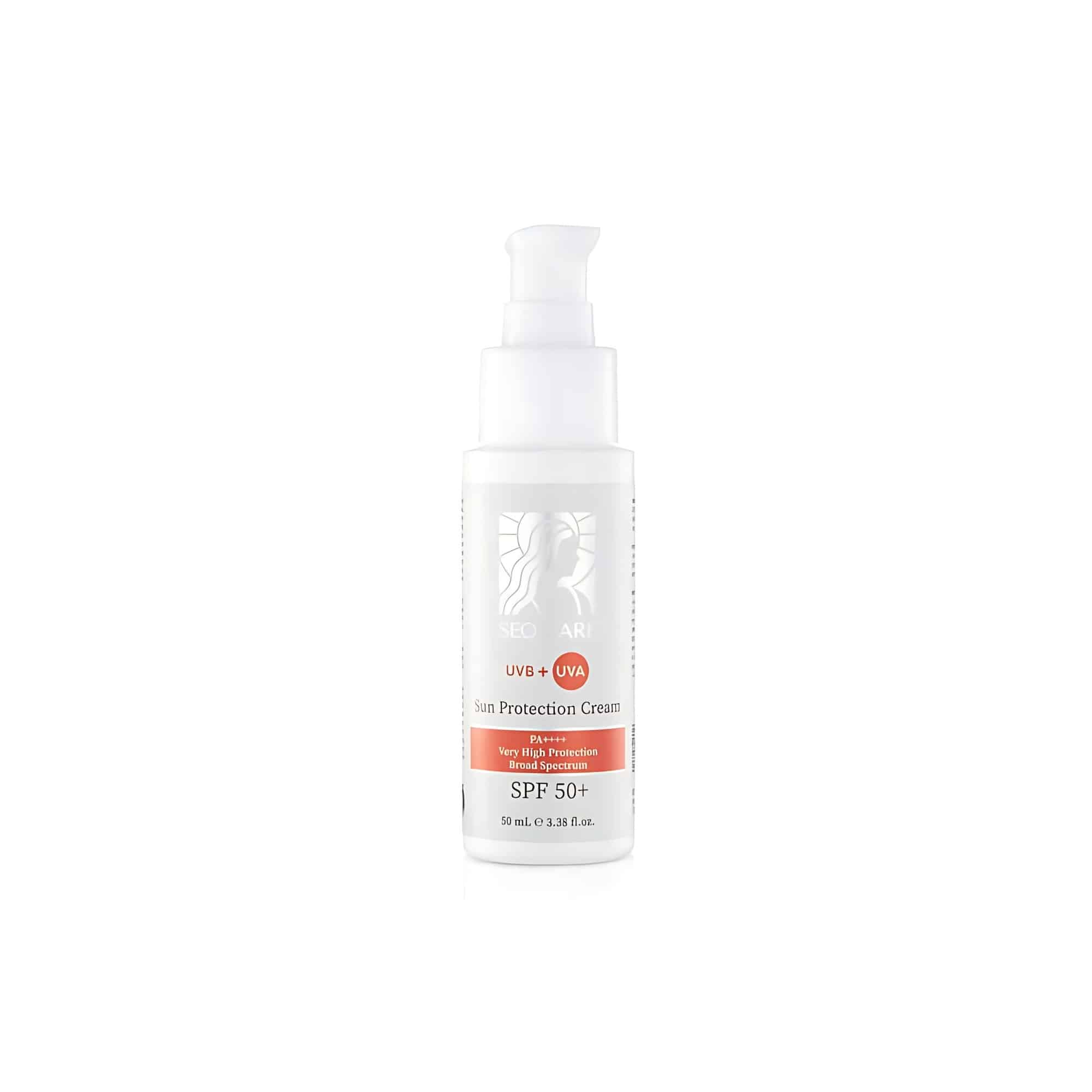
Sunscreen is the single most important product in any skincare routine. It prevents premature aging, protects against hyperpigmentation, and dramatically reduces skin cancer risk. Yet confusion around SPF numbers, PA ratings, and application methods leads many people to either skip sunscreen entirely or use it ineffectively. This guide breaks down everything you need to know to protect your skin properly.
UVA vs UVB: Understanding the Two Threats
The sun emits two types of ultraviolet radiation that reach your skin: UVA and UVB. Understanding the difference is essential for choosing the right sunscreen.
UVB Rays — The Burning Rays
UVB rays are responsible for sunburn. They primarily affect the outer layer of skin (epidermis) and are strongest between 10 AM and 4 PM. UVB intensity varies by season and altitude. These rays are the primary cause of non-melanoma skin cancers and play a significant role in melanoma development.
UVA Rays — The Aging Rays
UVA rays penetrate deeper into the skin, reaching the dermis where collagen and elastin reside. They are present at relatively consistent levels throughout the day, throughout the year, and even pass through clouds and glass. UVA is the dominant cause of photoaging: wrinkles, sagging, and dark spots. Because UVA damage is cumulative and initially invisible, many people underestimate its impact until the signs become permanent.
An effective sunscreen must protect against both. This is where SPF and PA ratings come in.
What SPF Actually Means
SPF stands for Sun Protection Factor, and it measures protection against UVB rays specifically. The number indicates how much longer you can stay in the sun before burning compared to unprotected skin. If your skin would normally burn in 10 minutes, SPF30 theoretically extends that to 300 minutes.
However, the relationship between SPF number and protection percentage is not linear:
- SPF 15 blocks approximately 93% of UVB rays.
- SPF 30 blocks approximately 97% of UVB rays.
- SPF 50 blocks approximately 98% of UVB rays.
- SPF 100 blocks approximately 99% of UVB rays.
The jump from SPF30 to SPF50 may seem small in percentage terms, but that extra 1% translates to half the UVB radiation reaching your skin. For people prone to hyperpigmentation, melasma, or post-procedure sensitivity, that difference matters significantly. This is why dermatologists consistently recommend SPF50 or higher for daily use, especially for those using active ingredients like retinol, AHAs, or vitamin C.
PA Rating Explained: The UVA Protection Scale
While SPF measures UVB protection, the PA rating system measures UVA protection. Developed in Japan and now widely adopted across Asia, the PA system uses plus signs to indicate the level of UVA defense:
- PA+ — Some UVA protection.
- PA++ — Moderate UVA protection.
- PA+++ — High UVA protection.
- PA++++ — Extremely high UVA protection.
PA++++ is the highest rating available and indicates that the sunscreen delays UVA-induced tanning by a factor of 16 or more. Since UVA drives aging and pigmentation, choosing PA++++ is especially important if your primary concern is preventing wrinkles, dark spots, or melasma recurrence.
When you see SPF50+ PA++++ on a label, it means the product offers robust protection against both UVB burning and UVA aging. The Seo Care SPF50 Broad Spectrum Sunscreen delivers this level of comprehensive protection in an elegant, daily-wear formula.
Chemical vs Mineral Sunscreen
Chemical (Organic) Sunscreens
Chemical sunscreens contain organic filters like avobenzone, homosalate, octocrylene, or newer-generation filters like Tinosorb S and Uvinul A Plus. These work by absorbing UV radiation and converting it into heat, which dissipates from the skin. Chemical sunscreens tend to be lightweight, transparent, and cosmetically elegant, making them easy to wear under makeup or on darker skin tones without a white cast.
Mineral (Inorganic) Sunscreens
Mineral sunscreens use zinc oxide, titanium dioxide, or both. They sit on top of the skin and reflect or scatter UV radiation. Mineral filters are often recommended for sensitive or reactive skin because they are less likely to cause irritation. The downside is that they can leave a white or grayish cast, feel heavier on the skin, and may pill under makeup.
Hybrid Formulas
Many modern sunscreens combine chemical and mineral filters to get the best of both worlds: broad-spectrum protection with an elegant finish. These hybrids are becoming the standard in well-formulated sunscreens.
How Much Sunscreen to Apply
This is where most people fail. Studies consistently show that people apply only 25% to 50% of the recommended amount, which drastically reduces the effective SPF. The correct amount for your face and neck is approximately one-quarter teaspoon, or roughly the length of two fingers (the “two-finger rule”). For your entire body, you need about one ounce (a shot glass full).
If you are using a thin layer because you dislike the texture, it is better to switch to a sunscreen with a more comfortable feel than to underapply a product you dislike. The best sunscreen is the one you will actually use properly every day.
Reapplication: The Rule Most People Ignore
Sunscreen degrades over time from UV exposure, sweat, and friction. Reapply every two hours when outdoors, or immediately after swimming, toweling off, or heavy sweating. For office workers with minimal sun exposure, a generous morning application with reapplication at lunch is a practical minimum.
Powder sunscreens and SPF setting sprays can be helpful for reapplication over makeup, but they should supplement — not replace — a proper liquid or cream sunscreen as your base layer.
Sunscreen Under Makeup
Apply sunscreen as the last step of your skincare routine, after moisturizer. Wait two to three minutes for it to set before applying primer or foundation. If your sunscreen pills under makeup, try patting it in rather than rubbing, or switching to a formula with a drier finish. Many people find that chemical and hybrid sunscreens layer better under cosmetics than purely mineral options.
Do not rely on SPF in foundation or moisturizer as your primary protection. These products are almost never applied in sufficient quantity to deliver their stated SPF. Use them as a bonus layer, not a substitute.
Daily Sunscreen and Active Ingredients
If your routine includes any of the following, daily sunscreen is mandatory, not optional:
- Retinol or retinoids — increase photosensitivity.
- AHA/BHA acids — accelerate cell turnover, exposing newer skin to UV damage. Explore the peeling and exfoliation range and always pair with sunscreen.
- Vitamin C — while it offers some antioxidant protection, it is not a sunscreen replacement. Use the Seo Care Vitamin C Serum in the morning followed by SPF for maximum protection.
- Hydroquinone or tranexamic acid — used for hyperpigmentation, which sun exposure directly worsens.
The Exfolderm Hydretix Cream provides a protective moisturizing layer that pairs well under sunscreen, especially for skin recovering from peeling treatments with Exfolderm glycolic acid products.
Choosing the Right Sunscreen
Look for these qualities in a daily sunscreen:
- SPF 50 or higher for meaningful UVB protection.
- PA++++ or broad-spectrum designation for UVA defense.
- Comfortable texture you will wear every single day.
- No heavy fragrance that could sensitize skin over time.
- Compatibility with your other skincare products and makeup.
The sun protection category at oriento.store features carefully selected sunscreens that meet all of these criteria. For a bundled approach, the Seo Care High Protection Sun Care Set includes everything you need for a complete sun protection routine.
Sunscreen is not just a summer product. UV radiation is present year-round, even on cloudy days and through windows. Making SPF50+ PA++++ a non-negotiable part of your daily routine is the most impactful investment you can make in the long-term health and appearance of your skin.
What does PA++++ mean on sunscreen?
PA is a rating system that measures protection against UVA rays, which cause aging, dark spots, and deep skin damage. PA++++ is the highest rating available, meaning the sunscreen delays UVA-induced tanning by a factor of 16 or more. Always look for PA++++ alongside high SPF for comprehensive sun protection.
Do I need sunscreen if I stay indoors all day?
Yes, especially if you sit near windows. UVA rays penetrate glass and can cause cumulative skin aging even indoors. Additionally, blue light from screens contributes to oxidative stress in the skin. A daily application of broad-spectrum sunscreen protects against both of these indoor threats.
How often should I reapply sunscreen?
Reapply every two hours when you are outdoors or exposed to direct sunlight. Reapply immediately after swimming, sweating heavily, or toweling off. For indoor office workers with minimal sun exposure, applying generously in the morning and once at midday is a practical minimum.
