
Blog
Top 10 Ingredients That Actually Stop Hair Loss

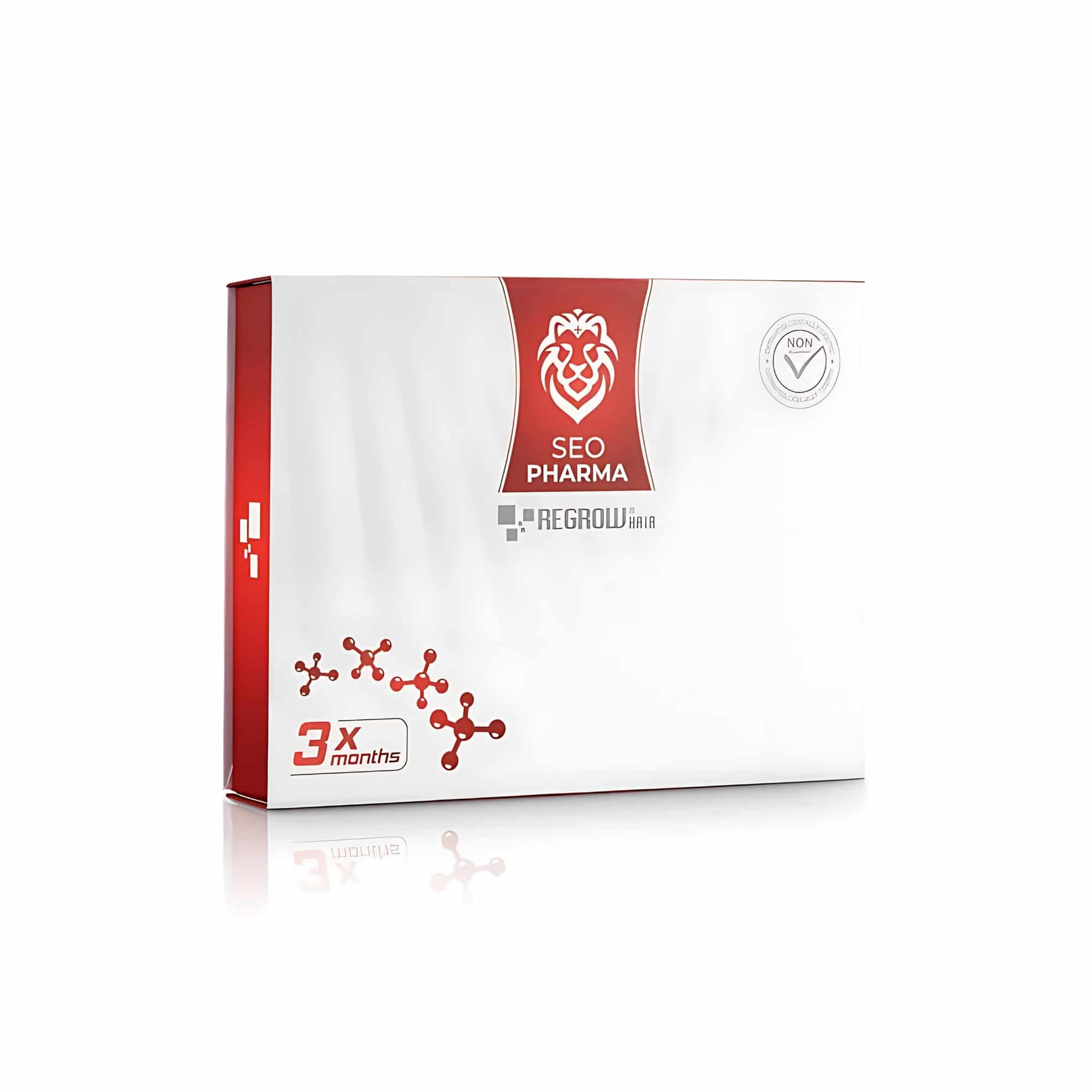
Walk into any pharmacy and you will find dozens of hair loss products all promising miracle results. But which ingredients actually work? Understanding the science behind effective ingredients for hair loss is the first step toward choosing a treatment that delivers real, visible results rather than empty promises.
We have reviewed clinical research and the formulations behind the most effective hair care products to bring you a definitive list of the 10 ingredients that genuinely help stop hair loss and support regrowth.
1. Biotin (Vitamin B7) — The Foundation of Stronger Hair
Biotin for hair is one of the most widely recommended nutrients in dermatology. Biotin plays a central role in keratin production, the structural protein that makes up your hair shaft. Clinical studies show that biotin supplementation can significantly reduce hair shedding in people with biotin deficiency, and it strengthens hair structure even in those with normal levels.
You will find therapeutic doses of biotin in products like the The Mossi London Hair Vitamin 120 Tablets and Bethantax Power Hair Vitamin Complex, both of which pair biotin with complementary nutrients for maximum absorption.
2. Saw Palmetto — Nature’s DHT Blocker
Dihydrotestosterone (DHT) is the hormone most directly responsible for androgenetic alopecia in both men and women. Saw palmetto is a natural DHT blocker extracted from the berries of the Serenoa repens palm. Research published in the Journal of Alternative and Complementary Medicine found that saw palmetto improved hair quality in 60% of participants. Unlike pharmaceutical DHT blockers, saw palmetto works without the systemic side effects, making it a safer long-term option.
The The Mossi London Biotin DHT Blocker Shampoo combines saw palmetto with biotin for a dual-action topical approach you can use daily.
3. Panthenol (Vitamin B5) — Deep Moisture and Elasticity
Panthenol penetrates the hair shaft and binds moisture from within, increasing elasticity and reducing breakage. For anyone experiencing hair thinning, breakage is the silent enemy — you may be growing new hairs that simply snap off before reaching visible length. Panthenol-enriched shampoos and conditioners address this by making each strand more resilient and flexible.
4. Zinc — The Mineral Your Follicles Need
Zinc deficiency is one of the most common yet overlooked causes of hair loss. This essential mineral supports cell division in the hair follicle and helps maintain the oil glands surrounding each follicle. Studies show that people with alopecia areata and telogen effluvium often have significantly lower zinc levels. Supplementing with zinc — typically 15 to 30 mg daily — can help restore the hair growth cycle. Look for zinc in comprehensive hair vitamin formulas rather than taking it in isolation for better balance.
5. Ozonized Oil — The Turkish Innovation
Ozonized oil is arguably the most distinctive ingredient in modern Turkish hair care. Created by infusing ozone (O3) into olive or sunflower oil, this treatment delivers activated oxygen directly to the scalp, improving microcirculation and creating an environment hostile to the bacteria and fungi that can contribute to follicle damage. Turkish clinics have used ozone therapy in hair transplant aftercare for years, and now topical ozonized oil products bring the same science to everyday hair care.
Top-rated ozonized oil treatments include the The Mossi London Ozonized Oil Complex, Must De Qen Ozonized Oil, and Bethantax Power Ozonized Olive Oil.
6. Caffeine — Stimulating the Follicle from Outside
Caffeine applied topically does not work like your morning coffee. When applied to the scalp, caffeine penetrates the follicle and counteracts the suppressive effect of testosterone on hair growth. German research from the International Journal of Dermatology demonstrated that caffeine stimulated hair shaft elongation by up to 46% and prolonged the anagen (growth) phase. You will find caffeine in many of the serums and treatment oils available at Oriento.
7. Keratin — Rebuilding What Is Broken
Your hair is roughly 90% keratin, so it makes sense that replenishing keratin can improve hair strength and appearance. Hydrolyzed keratin in topical treatments fills in gaps along the hair cuticle, reducing porosity, smoothing frizz, and adding visible thickness. While keratin does not directly stop hair loss at the follicle level, it protects existing hair from damage that leads to breakage — an essential part of any anti hair loss routine.
8. Niacin (Vitamin B3) — Boosting Scalp Circulation
Niacin improves blood flow to the scalp by dilating blood vessels around the follicles. Better blood flow means more oxygen and nutrients reach the hair root, supporting healthier and faster growth. Niacin deficiency can cause a condition called pellagra, which includes hair loss among its symptoms. Even without clinical deficiency, supplemental niacin can improve the overall health of the scalp environment. Products from Regrow Hair often include niacin as part of their multi-vitamin approach — see the Regrow Hair Seogen Vitamins 90 Tablets.
9. Vitamin E — Antioxidant Protection for the Scalp
Oxidative stress is an underappreciated factor in hair loss. Free radicals damage follicle cells and accelerate aging of the scalp. Vitamin E is a powerful antioxidant that neutralizes free radicals and supports a healthy scalp environment. A study in Tropical Life Sciences Research found that participants taking vitamin E supplements experienced a 34.5% increase in hair count over eight months. The The Mossi London Lipo E Vitamin E Hair Serum delivers concentrated vitamin E directly where it is needed most.
10. Collagen — Supporting the Skin Around Your Follicles
Collagen provides structural support to the dermis — the skin layer where hair follicles are anchored. As collagen production declines with age, the dermis thins, and follicles lose their structural foundation. Supplementing with hydrolyzed collagen peptides helps maintain dermal thickness and provides amino acids (particularly proline) that the body uses to build keratin. Including collagen in your regimen supports not just hair health but the overall scalp infrastructure that keeps follicles productive.
How to Build an Ingredient-Focused Routine
The most effective approach to combating hair loss is not relying on a single ingredient but combining multiple proven ingredients across different delivery methods. Consider pairing an internal supplement like the Must De Qen CoQ10 Hair Vitamins with a topical treatment like the Bethantax Power Ozonized Intensive Serum and a daily DHT-blocking shampoo. This multi-angle approach addresses hair loss from the inside and out, giving your follicles the best chance at recovery.
Browse the complete collection of clinically formulated hair care products at Oriento to find the right combination for your specific needs.
Which ingredient is the most effective for stopping hair loss?
There is no single best ingredient — the most effective approach combines multiple proven ingredients. However, DHT blockers like saw palmetto address the most common hormonal cause of hair loss, while biotin supports structural hair strength. Using both topical treatments and oral supplements together tends to produce the best results.
Can natural ingredients really block DHT?
Yes. Saw palmetto has been shown in clinical studies to inhibit the 5-alpha-reductase enzyme that converts testosterone to DHT. While it may not be as potent as pharmaceutical options like finasteride, it offers meaningful results without the systemic side effects, making it a popular choice for long-term use.
How long do I need to use these ingredients before seeing results?
Most hair loss ingredients require consistent use for 3 to 6 months before visible results appear. Hair grows slowly — approximately 1 cm per month — so even if a treatment begins working immediately at the follicle level, it takes time for that new growth to become visible. Patience and consistency are essential.
