
Blog
Men vs Women Hair Loss: Causes and Solutions

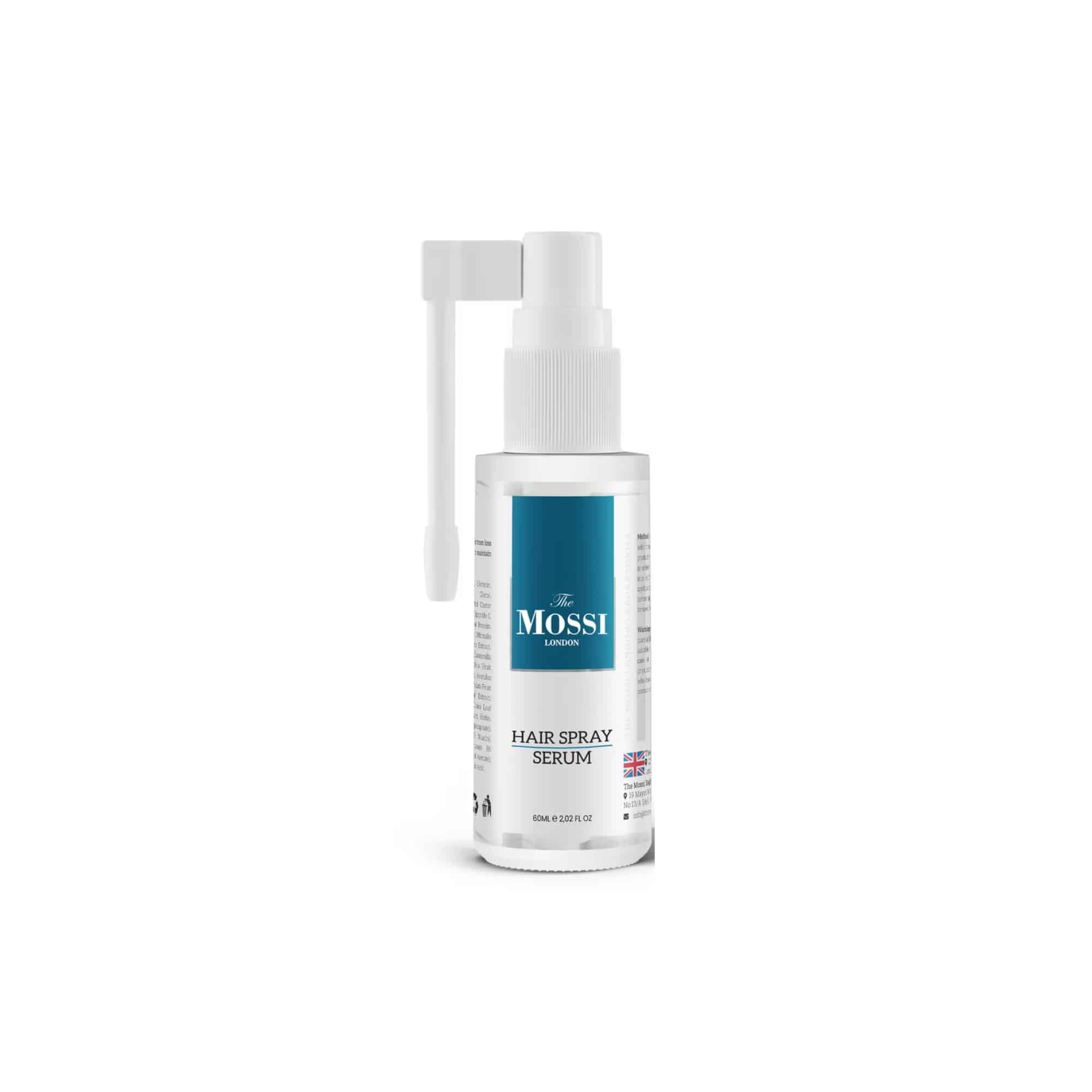
Hair loss affects roughly 50% of men and 25% of women by the age of 50, but the way it presents, its underlying causes, and the most effective treatments differ significantly between the sexes. Understanding these differences is critical for choosing the right approach — a treatment designed for male pattern baldness may not address the unique factors behind female hair loss causes.
This guide breaks down the distinct types, causes, and hair thinning solutions for both men and women so you can take targeted action.
How Hair Loss Differs Between Men and Women
Male Pattern Hair Loss (Androgenetic Alopecia in Men)
The most common form of men hair loss follows a predictable pattern, classified by the Norwood Scale. It typically begins with a receding hairline at the temples, forming the characteristic M-shape, then progresses to thinning at the crown. Over time these two areas merge, leaving hair only on the sides and back of the head.
The primary driver is dihydrotestosterone (DHT), a hormone derived from testosterone. DHT binds to androgen receptors in genetically sensitive hair follicles, gradually shrinking them until they can no longer produce visible hair. This process is called follicular miniaturization, and it is largely determined by genetics inherited from both parents.
Female Pattern Hair Loss (Androgenetic Alopecia in Women)
Women hair loss presents very differently. Rather than a receding hairline, women typically experience diffuse thinning across the top of the scalp, classified by the Ludwig Scale. The part line gradually widens, and overall hair density decreases while the frontal hairline is usually preserved. Complete baldness is rare in women with androgenetic alopecia.
While androgens play a role in female pattern hair loss, the hormonal picture is more complex. Estrogen has a protective effect on hair follicles, which is why many women notice significant hair changes during pregnancy, postpartum, and menopause — periods when estrogen levels fluctuate dramatically.
Beyond Genetics: Other Causes of Hair Loss
Telogen Effluvium — The Stress Shedder
Telogen effluvium is a temporary but distressing form of diffuse hair shedding triggered by a major physical or emotional stressor. Common triggers include surgery, illness, extreme dieting, childbirth, and severe psychological stress. It affects both sexes but is more commonly reported by women, partly because longer hair makes shedding more noticeable.
The good news is that telogen effluvium is usually self-resolving within 6 to 9 months once the trigger is addressed. Supporting recovery with a nutrient-rich hair supplement like The Mossi London Hair Vitamin 120 Tablets can help accelerate the return to normal density.
Hormonal Causes Beyond DHT
In women, thyroid disorders, polycystic ovary syndrome (PCOS), and hormonal contraceptive changes are major contributors to hair thinning. PCOS in particular causes elevated androgen levels, which can lead to hair loss patterns that overlap with androgenetic alopecia. Men are also affected by thyroid imbalances, though it is less commonly recognized.
Nutritional Deficiency
Iron deficiency is the most common nutritional cause of hair loss worldwide, and it disproportionately affects women due to menstruation. Low ferritin (stored iron), zinc, vitamin D, and B12 can all contribute to hair shedding. Before starting any hair loss treatment, it is worth having blood work done to rule out deficiency-related causes. A comprehensive hair vitamin supplement can help fill nutritional gaps while you work on dietary improvements.
Treatment Approaches for Men
For male pattern baldness treatment, the goal is typically to block DHT and stimulate follicle activity. A multi-pronged approach works best:
- DHT-blocking shampoo: Daily use of a shampoo containing saw palmetto and biotin, like the The Mossi London Biotin DHT Blocker Shampoo, addresses DHT at the scalp level.
- Topical serums: Growth-stimulating serums deliver active ingredients directly to the follicle. The Bethantax Power Hair Regrowth Serum is formulated specifically for this purpose.
- Oral supplements: Internal support with Regrow Hair Seogen Vitamins ensures follicles receive the nutrients they need from the inside.
- Comprehensive kits: For structured treatment, the Regrow Hair 3-Month Treatment Kit combines multiple products into a coordinated routine.
Treatment Approaches for Women
Treating women hair loss requires attention to the hormonal nuances involved. Key approaches include:
- Gentle, nourishing shampoo: Women experiencing hormonal hair loss benefit from sulphate-free formulas that support rather than strip the scalp. The The Mossi London Hair Shampoo for Women is designed specifically for the female scalp.
- Targeted serums: The The Mossi London Lipo B Biotin Hair Serum delivers biotin in liposomal form for enhanced absorption directly at the follicle.
- Nutrient supplementation: Women are more prone to iron and vitamin D deficiency, making supplementation especially important. The Must De Qen CoQ10 Hair Vitamins include a broad spectrum of nutrients targeting female hair health.
- Scalp therapy: Ozonized oil treatments like the The Mossi London Ozonized Oil Complex improve scalp health and follicle environment without hormonal intervention.
When to See a Doctor
Consult a dermatologist or trichologist if you experience sudden or patchy hair loss, hair loss accompanied by scalp pain or burning, significant shedding lasting more than six months, or hair loss paired with other symptoms like fatigue, weight changes, or irregular periods. These could indicate an underlying medical condition that requires diagnosis and specific treatment.
Building Your Routine
Regardless of gender, the most effective hair loss routines combine three pillars: cleansing with active ingredients, topical stimulation, and internal nutrition. Browse the full range of hair care products at Oriento to build a routine tailored to your specific type of hair loss. For a guided, all-in-one approach, explore the treatment kits and sets designed by leading Turkish hair care brands.
Is hair loss in women caused by the same thing as in men?
Not always. While both men and women can experience androgenetic alopecia driven by DHT, women are also significantly affected by hormonal fluctuations from pregnancy, menopause, thyroid disorders, and PCOS. Nutritional deficiencies, especially iron, are also a more common cause in women. The pattern of loss differs too — men typically see a receding hairline, while women experience diffuse thinning across the crown.
Can women use the same hair loss products as men?
Some products are suitable for both, but many are specifically formulated for one gender. DHT-blocking shampoos and vitamin supplements are generally safe for both sexes. However, women should use products designed for the female scalp when available, as they account for differences in hormonal sensitivity, sebum production, and hair density patterns.
At what age should I start treating hair loss?
The earlier you start, the better the outcomes. For men, treatment is most effective when started at the first signs of recession or thinning, often in the mid-20s. For women, it is best to begin treatment as soon as you notice a widening part line or increased shedding. Early intervention preserves existing follicles, which is far easier than trying to revive dormant ones.
