
Blog
The Complete Guide to Chemical Peeling at Home

Chemical peeling has long been a cornerstone of professional skincare, but advances in formulation now make it possible to achieve similar results at home. Whether you want to reduce dullness, smooth texture, or fade dark spots, a well-chosen peel can transform your complexion. This guide walks you through everything you need to know before applying your first drop.
What Is Chemical Peeling?
A chemical peel uses an acid solution to dissolve the outermost layer of dead skin cells. By accelerating cell turnover, peels reveal fresher, more even-toned skin underneath. Unlike physical exfoliants that rely on abrasive particles, chemical peels work at a molecular level, making them gentler on the surface while being more effective deeper down.
At-home peels typically range from very mild to moderate strength. They are not the same as the deep phenol peels performed by dermatologists. When used correctly, home peels are safe, effective, and surprisingly easy to incorporate into a weekly routine.
Types of Chemical Peels: AHA, BHA, and PHA
AHA (Alpha Hydroxy Acids)
AHAs are water-soluble acids derived from fruits and milk. The most popular AHA is glycolic acid, which has the smallest molecular size and therefore penetrates most effectively. Lactic acid is another common AHA, slightly gentler and better for sensitive skin. AHAs excel at treating surface-level concerns like dullness, fine lines, and uneven tone.
BHA (Beta Hydroxy Acid)
Salicylic acid is the primary BHA used in skincare. Because it is oil-soluble, it can penetrate into pores and dissolve sebum buildup. BHA is the go-to choice for acne-prone and oily skin types. It also has anti-inflammatory properties, making it suitable for skin that is both congested and irritated.
PHA (Poly Hydroxy Acids)
PHAs like gluconolactone and lactobionic acid have larger molecules than AHAs, so they work on the outermost surface of the skin. They provide gentle exfoliation alongside humectant properties, making them ideal for dry or rosacea-prone skin that cannot tolerate stronger acids.
Understanding Glycolic Acid Concentrations
Glycolic acid is the gold standard for at-home peeling, and it comes in various concentrations. Choosing the right strength is essential for both safety and results. The Exfolderm range offers a structured progression that makes this decision straightforward.
6% Glycolic Acid — The Starting Point
If you have never used a chemical peel before, start here. The Exfolderm 6% Glycolic Acid Peeling Cream provides gentle exfoliation with minimal risk of irritation. Use it once or twice a week for four to six weeks to let your skin build tolerance. At this concentration, you can expect a mild tingling that subsides within a minute.
9% Glycolic Acid — The Intermediate Step
After your skin has adapted to 6%, you can graduate to the Exfolderm 9% Glycolic Acid Peeling Cream. This mid-range concentration delivers noticeably stronger exfoliation, targeting stubborn texture and early signs of hyperpigmentation. Some mild flaking in the days following application is normal.
12% Glycolic Acid — Advanced Use
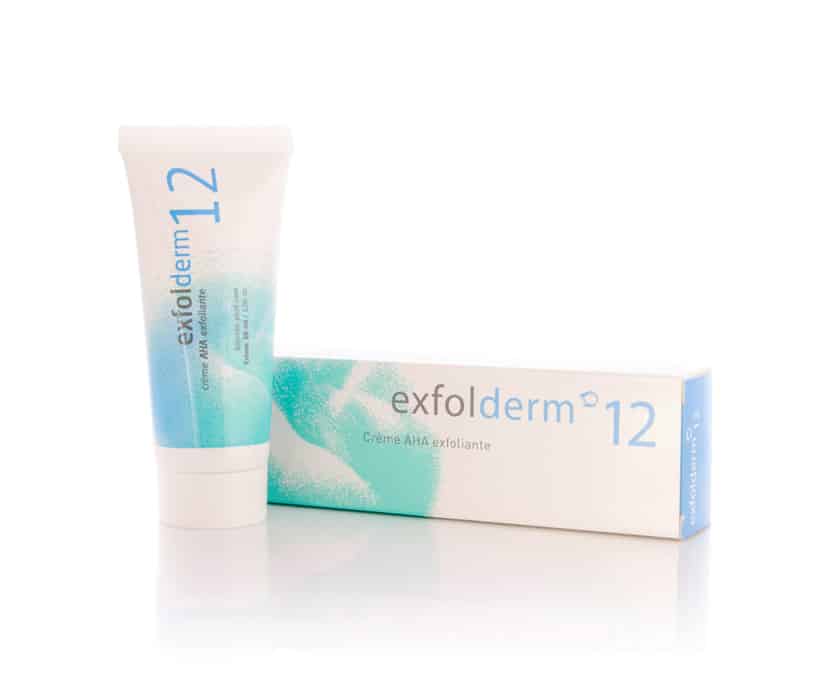
The Exfolderm 12% Glycolic Acid Peeling Cream is reserved for experienced users whose skin has already adjusted to lower concentrations. At 12%, glycolic acid penetrates deeper, addressing more pronounced discoloration, sun damage, and textural irregularities. Never start your peeling journey here.
How to Perform a Chemical Peel at Home
Step 1: Cleanse Thoroughly
Wash your face with a gentle, pH-balanced cleanser. Remove all makeup, sunscreen, and oil so the acid can make even contact with your skin. Pat dry completely. A clean canvas ensures uniform penetration and reduces the risk of uneven results.
Step 2: Patch Test First
Apply a small amount behind your ear or on your inner forearm at least 24 hours before your first full application. If you experience persistent redness, burning, or swelling, that concentration may be too strong for your skin right now.
Step 3: Apply Evenly
Using clean fingertips or a cotton pad, spread a thin, even layer across your face. Avoid the eye area, lips, and any open wounds. You may feel a tingling or warm sensation; this is normal. If stinging becomes painful, rinse immediately with cool water.
Step 4: Follow the Timing
Leave-on time varies by product. For Exfolderm creams, follow the instructions on the packaging. Over-time exposure is the most common mistake beginners make. Set a timer and respect it.
Step 5: Neutralize or Rinse
Some peels require a neutralizing solution; others are rinsed with water. Follow your product’s directions precisely. After rinsing, your skin may look slightly pink, which should fade within an hour or two.
Aftercare: What to Do After a Peel
Post-peel skin is temporarily more sensitive and vulnerable. Proper aftercare is just as important as the peel itself.
- Moisturize generously. Apply a nourishing, fragrance-free moisturizer to support the skin barrier. The Exfolderm Hydretix Moisturizing Cream is formulated specifically for post-procedure recovery.
- Avoid active ingredients. For 48 to 72 hours after a peel, skip retinol, vitamin C, and other acids. Let your skin recover before reintroducing potent actives.
- Do not pick or peel. If your skin flakes, let it shed naturally. Picking can cause scarring and hyperpigmentation.
- Stay out of direct sun. Newly revealed skin is highly susceptible to UV damage, which brings us to the single most important aftercare step.
SPF Is Non-Negotiable
After any chemical peel, your fresh skin is extremely photosensitive. Skipping sunscreen after a peel can undo all your progress and even cause new dark spots. Apply a broad-spectrum SPF50+ sunscreen every morning without exception. The Seo Care SPF50 Broad Spectrum Sunscreen provides high UVA and UVB protection with a lightweight texture that works well under makeup.
Reapply every two hours when outdoors, or immediately after swimming or sweating. Consider the Seo Care High Protection Sun Care Set if you want a complete sun protection routine.
Who Should Avoid At-Home Peels?
Chemical peels are not suitable for everyone. You should avoid them if you have active eczema, psoriasis, or dermatitis on the treatment area. Pregnant or nursing women should consult a doctor before using glycolic acid. Those currently using prescription retinoids like tretinoin should space out peels carefully or avoid them altogether. If you have a history of cold sores, peels can trigger an outbreak, so speak with your healthcare provider first.
Building a Peeling Routine
Start with one peel per week. After four weeks without irritation, you may increase to twice weekly. Always listen to your skin. If redness lasts more than a day, reduce frequency. Complement your peeling routine with products from the peeling and exfoliation category to find the perfect match for your skin type. The Seo Care Enzyme Powder Peeling is an excellent gentler alternative for weeks when your skin needs a break from acids.
Consistency and patience yield the best results. Most people notice visible improvement in texture and tone within four to eight weeks of regular use.
Is it safe to do a chemical peel at home?
Yes, at-home chemical peels with concentrations up to 12% glycolic acid are generally safe when you follow instructions carefully. Start with a low concentration like 6%, always patch test, and never exceed the recommended leave-on time. If you have sensitive skin conditions, consult a dermatologist first.
How often should I do a chemical peel at home?
Beginners should start with once per week. After four weeks without irritation, you can increase to twice weekly. Pay attention to how your skin responds — if you notice lasting redness or excessive flaking, reduce frequency and allow extra recovery time between sessions.
Can I use vitamin C serum after a chemical peel?
Wait at least 48 to 72 hours after a peel before applying vitamin C or other active ingredients. Freshly peeled skin is sensitive, and layering strong actives too soon can cause irritation. Once your skin has recovered, vitamin C is an excellent complement to boost brightening results.
