
Blog
Hair Growth Vitamins: What to Look For (Biotin, Zinc, B12)

The supplement industry is flooded with products claiming to promote hair growth, but not all hair growth vitamins are created equal. Some contain the right ingredients at the wrong doses, others miss key nutrients entirely, and many rely on marketing rather than science. This guide will help you understand exactly which vitamins and minerals your hair needs, at what doses, and how to choose a supplement that actually delivers results.
Why Vitamins Matter for Hair Growth
Your hair follicles are among the most metabolically active structures in your body. They require a constant supply of vitamins, minerals, and amino acids to sustain the rapid cell division that produces hair. When your body is deficient in any key nutrient, hair growth is often one of the first things to suffer — the body redirects resources to more critical functions and puts hair into the resting (telogen) phase prematurely.
This is why nutritional deficiency is one of the most common and most treatable causes of hair loss. The right hair vitamin guide can help you identify what your follicles are missing.
The Essential Vitamins and Minerals for Hair
Biotin (Vitamin B7) — 5,000 to 10,000 mcg Daily
Biotin is the most well-known hair vitamin for good reason. It is a coenzyme in the synthesis of keratin, the protein that forms the structural foundation of your hair. Biotin supplements for hair have been shown to reduce shedding, improve hair thickness, and strengthen nails as a beneficial side effect. While severe biotin deficiency is rare, subclinical deficiency is more common than previously thought, especially among people who consume raw egg whites, take certain medications, or have digestive issues that impair absorption.
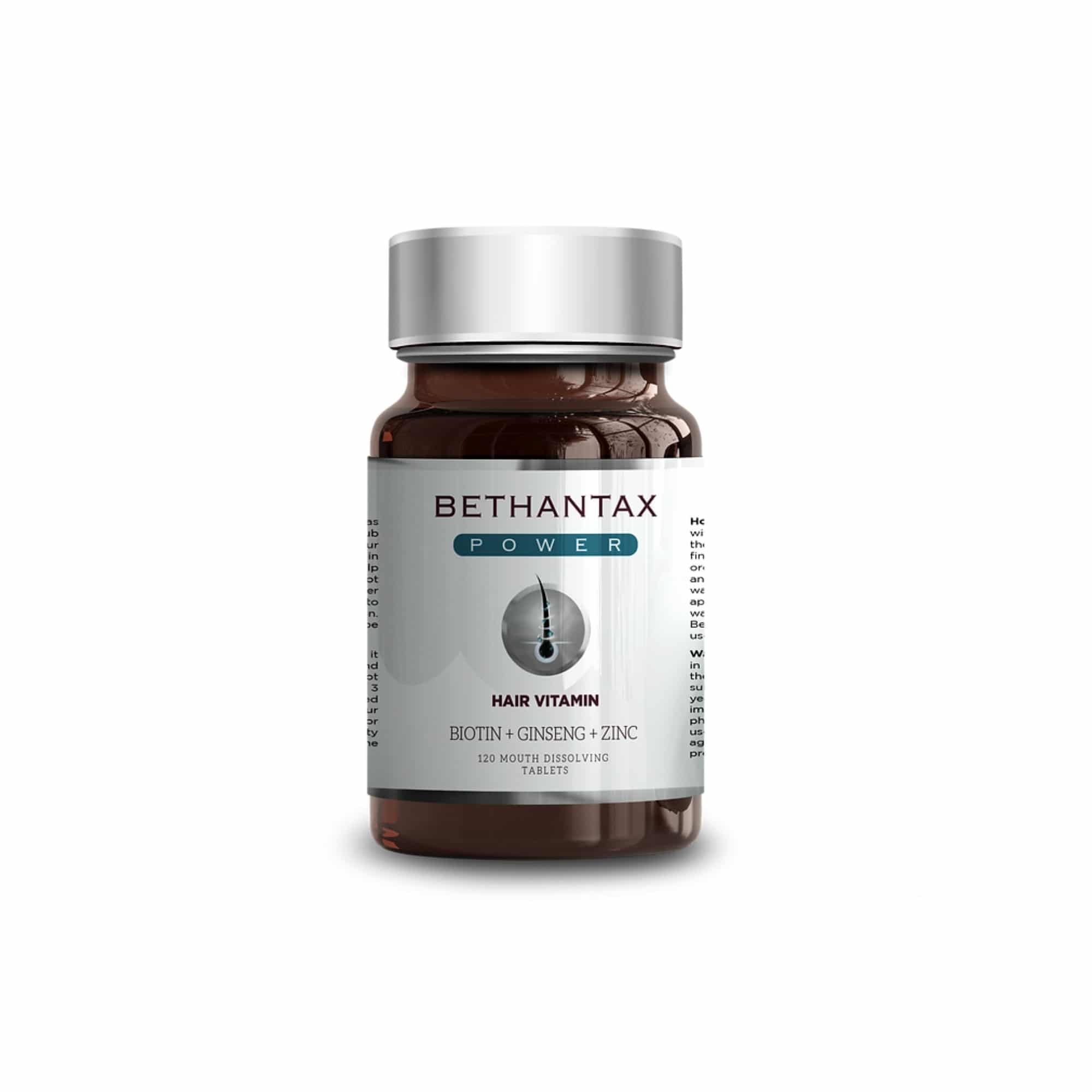
Look for a supplement that provides at least 5,000 mcg of biotin per serving. Both the The Mossi London Hair Vitamin 120 Tablets and Bethantax Power Hair Vitamin Complex 120 Tablets meet this threshold.
Zinc — 15 to 30 mg Daily
Zinc is involved in over 300 enzymatic reactions in the body, including those critical for hair follicle function. It supports protein synthesis, cell division in the follicle matrix, and the regulation of the hair growth cycle. Studies have shown a clear correlation between low zinc levels and various forms of alopecia. Zinc also helps regulate sebum production, keeping the scalp environment balanced.
Be cautious with zinc supplementation above 40 mg daily, as excessive zinc can interfere with copper absorption. Quality hair vitamins include zinc at balanced levels alongside other minerals.
Vitamin B12 — 500 to 1,000 mcg Daily
Vitamin B12 is essential for red blood cell formation. Red blood cells carry oxygen to the hair follicle, and without adequate B12, your follicles are essentially starved of the oxygen they need to function. B12 deficiency is particularly common among vegetarians, vegans, and older adults. Symptoms include fatigue, weakness, and — critically for our purposes — hair thinning and premature graying.
Iron — 18 to 27 mg Daily (Especially for Women)
Ferritin (stored iron) levels below 30 ng/mL have been associated with increased hair shedding in multiple studies. Iron deficiency is the most common nutritional deficiency worldwide and the leading cause of nutritional hair loss, particularly in premenopausal women. If you are experiencing hair loss, ask your doctor to check your ferritin level specifically — standard iron panels sometimes miss this marker.
Vitamin D — 1,000 to 2,000 IU Daily
Vitamin D receptors are present in hair follicles and play a role in the creation of new follicles and the cycling of existing ones. Research has linked vitamin D deficiency to alopecia areata and general telogen effluvium. Many people in northern climates are deficient, making supplementation important particularly during winter months.
Niacin (Vitamin B3) — 16 to 35 mg Daily
Niacin improves blood circulation to the scalp by dilating blood vessels, ensuring more nutrients and oxygen reach the follicles. A 2005 study found that niacin derivatives significantly improved hair fullness in women with thinning hair over a 6-month period. The Regrow Hair Seogen Vitamins 90 Tablets include niacin alongside other B vitamins for comprehensive support.
Vitamin E — 15 mg Daily
As a potent antioxidant, vitamin E protects the scalp from oxidative stress that can damage follicles and slow growth. A clinical trial found that tocotrienol supplementation (a form of vitamin E) increased hair count by 34.5% over 8 months. For topical vitamin E delivery, the The Mossi London Lipo E Vitamin E Hair Serum provides concentrated, targeted application.
Folic Acid (Vitamin B9) — 400 to 800 mcg Daily
Folic acid is vital for cell growth and the formation of new cells, including those in the hair follicle matrix. Deficiency can lead to changes in hair color and texture, and may contribute to premature graying. It works synergistically with B12, so the two should ideally be supplemented together.
Oral vs Topical: Which Delivery Method Works Better?
The answer is both, and they serve different purposes:
Oral supplements address systemic deficiencies and support hair growth from the inside. They are essential when blood levels of key nutrients are low. Oral biotin, zinc, and B-vitamins are well-absorbed and provide whole-body benefits.
Topical treatments deliver active ingredients directly to the follicle and scalp. They bypass the digestive system and achieve higher local concentrations. Topical biotin serums like the The Mossi London Lipo B Biotin Hair Serum are particularly effective because liposomal delivery enhances penetration into the scalp tissue.
For the best vitamins for hair loss results, use both: an oral supplement for systemic support and a topical serum for localized, high-concentration delivery.
What to Look for in a Hair Vitamin Supplement
When evaluating hair growth vitamins, check for these quality indicators:
- Therapeutic dosages: Many cheap supplements include the right ingredients at subtherapeutic doses. Compare the amounts on the label to the recommended ranges listed above.
- Synergistic formulation: B vitamins work best together. Zinc and copper should be balanced. Iron and vitamin C aid mutual absorption. A well-designed formula accounts for these interactions.
- Bioavailable forms: Methylcobalamin (B12) is better absorbed than cyanocobalamin. Zinc picolinate or bisglycinate outperform zinc oxide. Quality brands use bioavailable forms.
- No fillers or unnecessary additives: Look for clean labels without excessive artificial colors, preservatives, or bulking agents.
Timeline: When Will You See Results?
Managing expectations is important. Hair grows approximately 1 to 1.5 cm per month. Even if a supplement begins correcting a deficiency immediately, visible results typically follow this timeline:
- Month 1-2: Reduced shedding (often the first noticeable change)
- Month 3-4: New baby hairs becoming visible, improved hair texture
- Month 5-6: Noticeable improvement in thickness and density
- Month 6+: Continued improvement; this is when before-and-after comparisons become meaningful
Consistency is essential. Explore the full vitamins and supplements collection at Oriento to find a formula that matches your needs, and consider a multi-month treatment kit to ensure you commit to the full timeline needed for visible results.
Can I take too much biotin for hair growth?
Biotin is water-soluble, meaning your body excretes excess amounts through urine rather than storing them. There is no established upper intake level for biotin, and doses of 5,000 to 10,000 mcg daily are widely used without adverse effects. However, high biotin doses can interfere with certain lab tests, including thyroid and cardiac panels. Inform your doctor about biotin supplementation before any blood work.
Should I get blood work done before starting hair vitamins?
Yes, it is highly recommended. Blood work can identify specific deficiencies in iron (ferritin), vitamin D, B12, zinc, and thyroid hormones that may be contributing to your hair loss. This allows you to target supplementation precisely rather than guessing, and helps rule out medical conditions that require treatment beyond nutritional support.
Are hair vitamins effective if my hair loss is genetic?
Vitamins alone will not reverse genetically driven androgenetic alopecia, but they play an important supporting role. Even with genetic hair loss, nutritional deficiencies can accelerate the process and worsen outcomes. Ensuring optimal nutrient levels gives your follicles the best possible foundation, and when combined with DHT-blocking treatments and topical serums, vitamins contribute to a more comprehensive and effective treatment plan.
